Dead Fandoms Don't Die: The Surprising Boom in Online Communities Built Around Yesterday's Obsessions
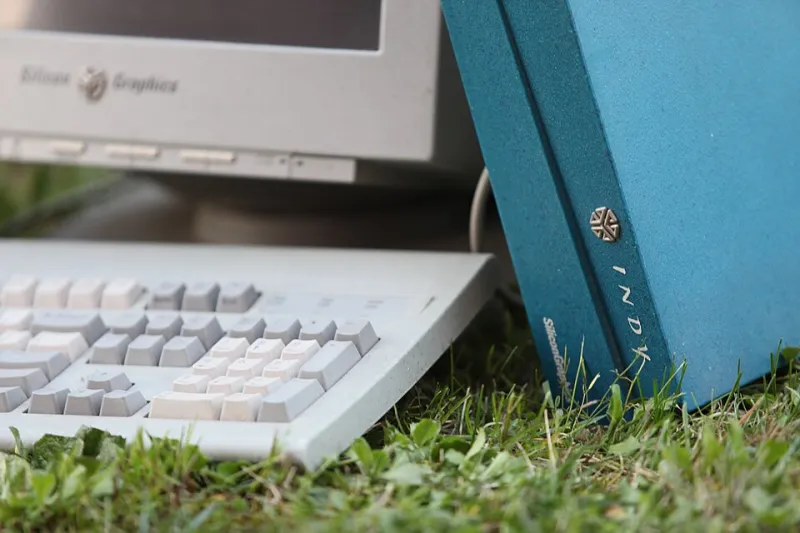
Photo: Bruno Cordioli from Milano, Italy, CC BY 2.0, via Wikimedia Commons
Somewhere on the internet right now, a forum dedicated to a video game console that stopped being manufactured in 2004 is having its most active week in years. A message board for fans of a TV show that was canceled after two seasons in 1999 just hit a new member milestone. A community of people obsessed with '90s mall fashion is sharing haul photos from thrift stores and eBay listings at a pace that would make some mainstream trend forums jealous.
This isn't nostalgia tourism. It's a genuine cultural movement — and it's reshaping what thriving online communities look like in 2024.
The "Dead" Hobby That Refused to Stay Buried
Let's get one thing out of the way: the word "dead" is doing a lot of misleading work when people talk about retro interests. A hobby or fandom being commercially over — meaning studios aren't making new content, manufacturers aren't producing new hardware, brands aren't running ad campaigns — has almost nothing to do with whether people still care deeply about it.
If anything, the removal of corporate oxygen sometimes strengthens a community. When there's no new official content to argue about, no marketing machine feeding the conversation, and no casual fans drifting in because an algorithm recommended a trailer, what you're left with is a group of people who are there purely because they love the thing. That's a remarkably pure foundation for a community.
Vintage gaming collectors, lovers of discontinued candy brands, devotees of '80s aerobics culture, fans of obscure regional fast food chains that closed decades ago — these communities are thriving, and the engagement numbers often put trend-chasing forums to shame.
Why Nostalgia Creates Better Community Conditions
There's a psychological dimension here worth understanding. Nostalgia isn't just warm fuzziness about the past. Researchers at institutions like the University of Southampton have found that nostalgia functions as a social emotion — it increases feelings of connection, belonging, and meaning. When you bond with someone over a shared memory of something most people have forgotten, the connection feels more real, more earned, than bonding over something everyone is currently talking about.
In community terms, that translates directly to engagement quality. Members of a forum dedicated to a long-discontinued RPG franchise aren't there because it's trending. They're there because they've probably felt like the only person in their real-life social circle who still cares about this thing. Finding a hundred people who feel exactly the same way is a genuinely emotional experience. That emotional charge is rocket fuel for community participation.
Compare that to a forum built around, say, a currently popular streaming show. Those communities can hit enormous numbers fast, but when the season ends or the show gets canceled, the floor drops out. Retro communities don't have that problem. Their subject matter already survived the hype cycle.
The Scarcity Factor
There's another dynamic driving retro community growth that doesn't get enough attention: scarcity. When a hobby involves physical objects — vintage hardware, out-of-print games, discontinued clothing lines, collectible toys — the community naturally develops expertise that has real-world value.
A forum dedicated to maintaining and repairing original Game Boy hardware isn't just a fan space. It's a knowledge repository. Members who know how to recap a Game Boy Color's capacitors or source replacement screens for a Game Boy Advance SP are genuinely useful to each other in ways that go beyond emotional connection. The community becomes a resource, and that functional value gives people a concrete reason to stay active and keep contributing.
This is one reason retro hobby communities tend to have unusually high retention rates. People don't leave because they still need the community, not just enjoy it.
How These Communities Differ From Trend-Chasing Forums
Spend time on a retro-focused forum and you'll notice the culture feels different from communities built around current mainstream interests. The pace is slower and more deliberate. Threads run longer because members are actually reading and responding to each other rather than just posting and moving on. There's a higher tolerance — sometimes even a preference — for depth over virality.
Long-time members of these communities often describe a sense of being the keepers of something. They're not just fans; they're archivists, educators, and advocates. Someone who's spent five years on a forum dedicated to '90s-era Japanese import cars isn't just there to talk about cars — they're helping preserve knowledge that might otherwise disappear. That sense of purpose adds a layer of commitment you rarely see in communities organized around current trends.
There's also typically less drama. Without a constant influx of new content to spark hot takes and arguments, conversations tend to stay more focused on the subject matter itself. Members who are still around after years of engagement have usually self-selected for genuine passion rather than performative fandom.
Starting a Retro Community: What the Successful Ones Do Right
If you're thinking about building a forum around an older interest — or you're already running one and wondering how to push it further — a few patterns emerge from the communities that are doing it well.
Lead with the archive. Create a space that functions as a genuine knowledge base from day one. Wikis, pinned resource threads, searchable databases of relevant information — these signal to potential members that this is a serious community, not just a casual hangout.
Celebrate the obscure. In retro communities, the person who knows the most arcane trivia is often the most celebrated member. Build a culture that rewards deep knowledge rather than just social popularity.
Make space for newcomers discovering the thing late. Not everyone in a vintage anime forum grew up watching it in the '80s. Some members are 22 and just found it on a streaming platform. Welcoming those late arrivals without condescension keeps the community from calcifying.
Connect the digital to the physical. The best retro hobby communities bridge the gap between the online forum and the real-world hobby — whether that's swap meets, conventions, group buys for reproduction parts, or collaborative preservation projects. That bridge is what turns an online community into something that genuinely matters in members' lives.
The communities being built around yesterday's obsessions aren't running from the present. They're making a deliberate choice about what's worth their time and energy — and increasingly, what they're building together is lasting longer and running deeper than almost anything the algorithm is currently serving up.